Global Consumer-Goods Manufacturer
Designing an AI-Centered Organization at a Global Manufacturer
Against the backdrop of labor shortages, rising costs, and declining AI costs, we designed "AI-centered organizational management" to surpass existing productivity-improvement gains
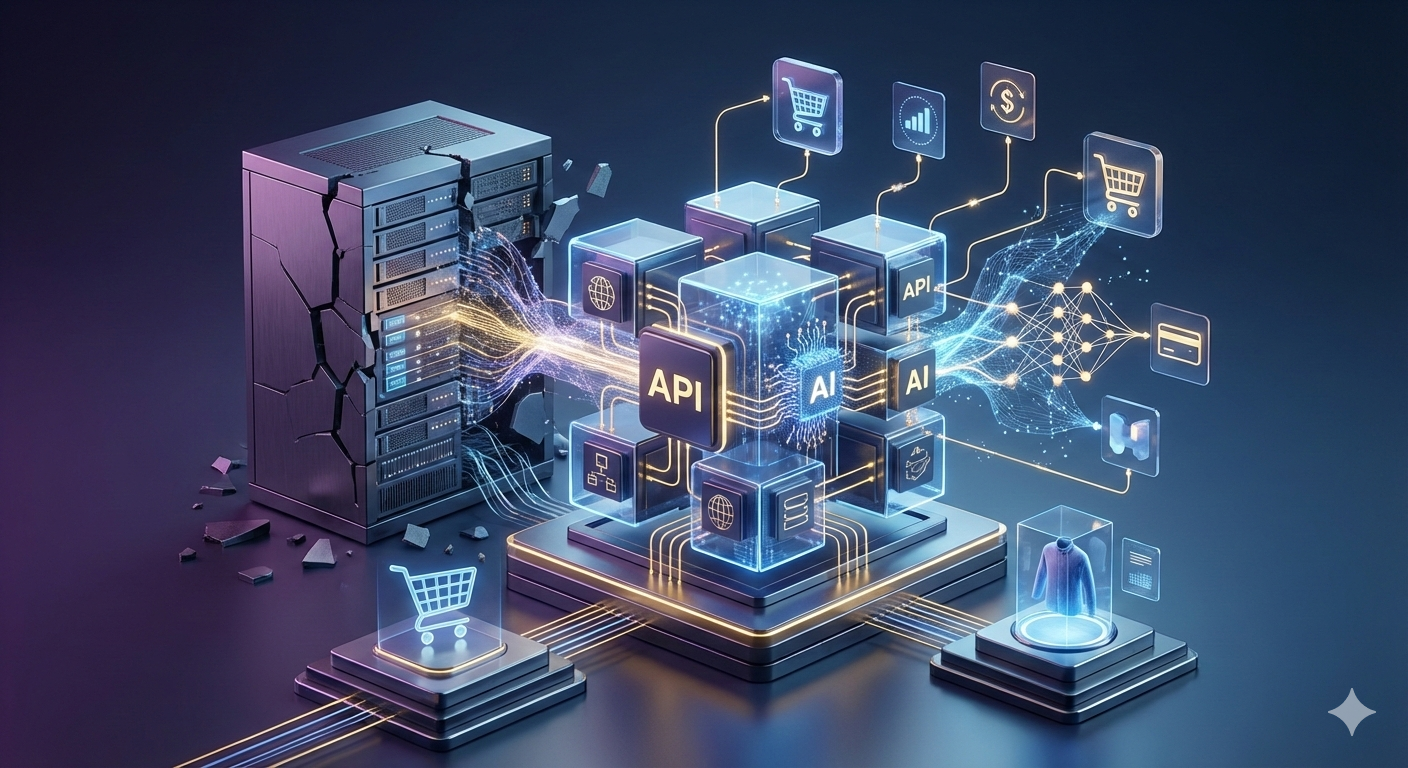
Against the backdrop of labor shortages, rising costs, and declining AI costs, we designed "AI-centered organizational management" to surpass existing productivity-improvement gains
[Engagement Scope] Against the backdrop of labor shortages, rising costs, and declining AI costs, we designed "AI-centered organizational management" to surpass existing productivity-improvement gains.
- Leading-case research and analysis: Identifying growth opportunities driven by technology evolution (generative AI / AI agents, robotics).
- Organizational design: Designing a process in which the origin of work shifts from "humans" to "AI" — a model in which AI proposes and executes, with humans approving and handling exceptions.
- Financial-impact modeling: Simulating reductions in talent-related, warehousing, and marketing costs alongside increased AI-systems investment, and surfacing the resulting shift in mid- to long-term cost structure.
[Challenges]
- Rising labor and organization-maintenance costs anticipated over the mid- to long-term.
- Existing organizational management and routine operational efficiency hit a ceiling on productivity gains.
- Sustaining competitive advantage at the convergence of digital and physical (robotics) domains.
[Results]
- Developed an operational-process transformation plan: We defined the shift from the conventional process in which "humans originate work" to one in which "AI originates work," with humans specializing in approval and bug avoidance.
- Flattened organizational structure: We designed the flattening of the organization through AI's substitution for middle-management functions (information transmission and coordination), along with the delegation of authority to the front line.
- Financial model surfaced: We clarified the specific cost-reduction items (recruitment and training costs, social-insurance expenses, and others) and investment items associated with the transition to AI-centered operations.
Region
APAC 日本 / EMEA スイス
Project team

Speak with a business-creation expert
We solve business-growth speed, executive-talent shortages, global expansion, and gaps in in-house technology — instantly — and grow your business.
Contact us

