2024 Update — How EC Technology Trends Are Reshaping the Future of Retail
The latest technologies — AI, AR/VR, and blockchain — are shaping the future of online shopping. This article reviews the frontier of technological innovation in e-commerce (EC) and its impact on the retail industry.

Category
Perspective
Published
(Updated: )
Author
eX Writer
- Marketing BPS
2024 Update — How EC Technology Trends Are Reshaping the Future of Retail
2025.09.20
The e-commerce (EC) industry sits at the forefront of technological innovation. Artificial intelligence (AI), augmented reality (AR), virtual reality (VR), and blockchain technology are shaping the future of online shopping. Let's examine how these emerging trends are impacting the EC industry.
Personalizing the Customer Experience with AI and Machine Learning
What Is AI?
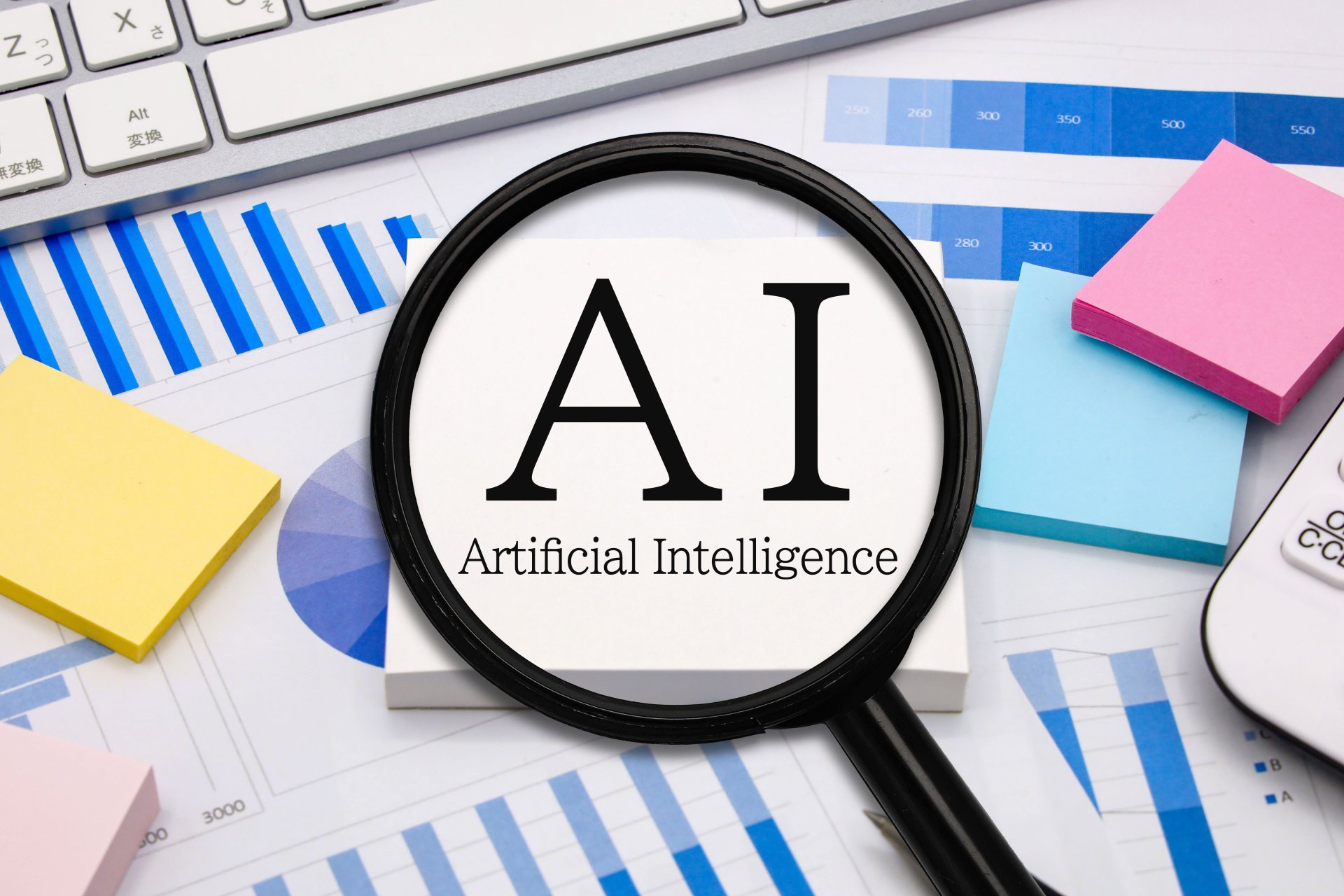
AI stands for "Artificial Intelligence" — in Japanese, this is translated as "人工知能."
It is a technology that enables computers and machines to exhibit human-like intelligence — learning, reasoning, recognition, and planning. This encompasses capabilities ranging from data analysis and pattern recognition to problem solving.
What Is Machine Learning?
Machine learning is a branch of AI that gives computers the ability to learn from data and perform specific tasks.
Through this, programs can learn from experience and improve their predictions or decisions without being explicitly programmed. Machine learning algorithms recognize patterns in data, build predictive models, and then make predictions or judgments on new data.
Applications of AI in Online Shopping
AI and machine learning are transforming online shopping by personalizing the customer experience.
Platforms such as Netflix and Amazon analyze each customer's past behavior to surface tailored content recommendations. ZARA uses AI-based tools that learn from a customer's purchase history and browsing behavior to recommend fashion items individually. This drives stronger customer engagement and sales.
AI also supports inventory management and demand forecasting, enabling a more efficient supply chain.
Elevating Customer Satisfaction with AR (Augmented Reality) and VR (Virtual Reality)
What Is AR (Augmented Reality)?
AR (Augmented Reality) is a technology that overlays digital information onto the real world. By layering virtual images or data onto real-world scenery, it enriches the user's experience of reality. For example, viewing through a smartphone camera and seeing virtual objects rendered on the screen is a typical AR experience.
What Is VR (Virtual Reality)?
VR (Virtual Reality) is a technology that fully immerses the user in a virtual world. Using a dedicated headset, the user experiences a virtual environment through sight and sound. This technology creates an entirely digital environment that is distinct from the real world.
Lifting Customer Satisfaction Through Virtual Experiences
With AR and VR technologies, customers can "try on" products from home and gain a deeper understanding of product details.
For example, IKEA's AR app lets users virtually place furniture in their own space, so they can confirm how an item will look in the actual room before purchase. Experiences like these boost customer satisfaction and reduce return rates.
Chatbots and the Automation of Customer Service
What Is a Chatbot?
A chatbot is a computer program that can converse with humans using natural language.
It interacts with users through text or voice — answering questions, providing information, and performing specific tasks. Built on machine learning and natural language processing, it is designed to understand human language and deliver more natural, useful conversations.
Leveraging Chatbots in Customer Service
The automation of customer service is being accelerated by chatbots.
AI-driven chatbots — adopted by retailers such as H&M — respond to customer inquiries in real time and act as shopping assistants. This elevates the customer experience while reducing operating costs.
Improving Supply Chain Transparency with Blockchain Technology
What Is Blockchain?
Blockchain is a data structure in which transaction records (blocks) are linked sequentially over the internet. Each block contains multiple transactions recorded in encrypted form, and a reference (chain) to the previous block preserves the sequence. This technology provides transparency, tamper resistance, and security for data without the need for central administrators or intermediaries.
Blockchain is best known for cryptocurrencies such as Bitcoin, but applications are being explored across a wide range of areas — including supply chain management, voting systems, and digital contracts.
Blockchain Improves Transaction Transparency and Strengthens Security
Blockchain is revolutionizing the EC industry by improving transaction transparency (the clarity and openness of transactions) and security.
By tracking each stage of the supply chain and preventing the distribution of counterfeit goods, it can strengthen consumer trust.
For example, Everledger — a blockchain development company — uses blockchain to certify the authenticity of diamonds and improve supply chain transparency.
The Convergence of SNS — Instagram, Facebook, and Others — with EC
Social Media and SNS
Social media refers to online platforms and technologies that enable people to share information, communicate, and create content. It takes many forms — blogs, forums, business networks, and photo- or video-sharing sites. Users post their thoughts and experiences and interact with others.
SNS (Social Networking Service) is a category of social media — specifically, online platforms designed to help people build and maintain personal relationships. Facebook and Twitter are typical examples; users connect with friends and family or interact with people who share common interests.
In short, social media is a broad concept centered on sharing information and creating or distributing content. SNS, by contrast, is a subset within that broader scope, focused more specifically on people's social connections and communication.
SNS Functions Directly as an EC Storefront — with a Strong Influencer Review Effect
Social media platforms have become a new venue where consumers discover and purchase products. Features that allow direct in-platform purchases on Instagram and Facebook are accelerating the growth of social shopping in the EC industry.
Product introductions and reviews by influencers significantly influence consumer purchase decisions, and brands are leveraging these platforms to deepen customer engagement.
Conclusion
In 2024, the EC industry is evolving rapidly — driven by AI, AR/VR, blockchain, the push for sustainability, and the use of social media. These technologies are markedly improving the online shopping experience, delivering competitive advantage to operators while providing consumers with a better shopping experience.
Responding flexibly to change and adopting these innovations will be the key to operator success.